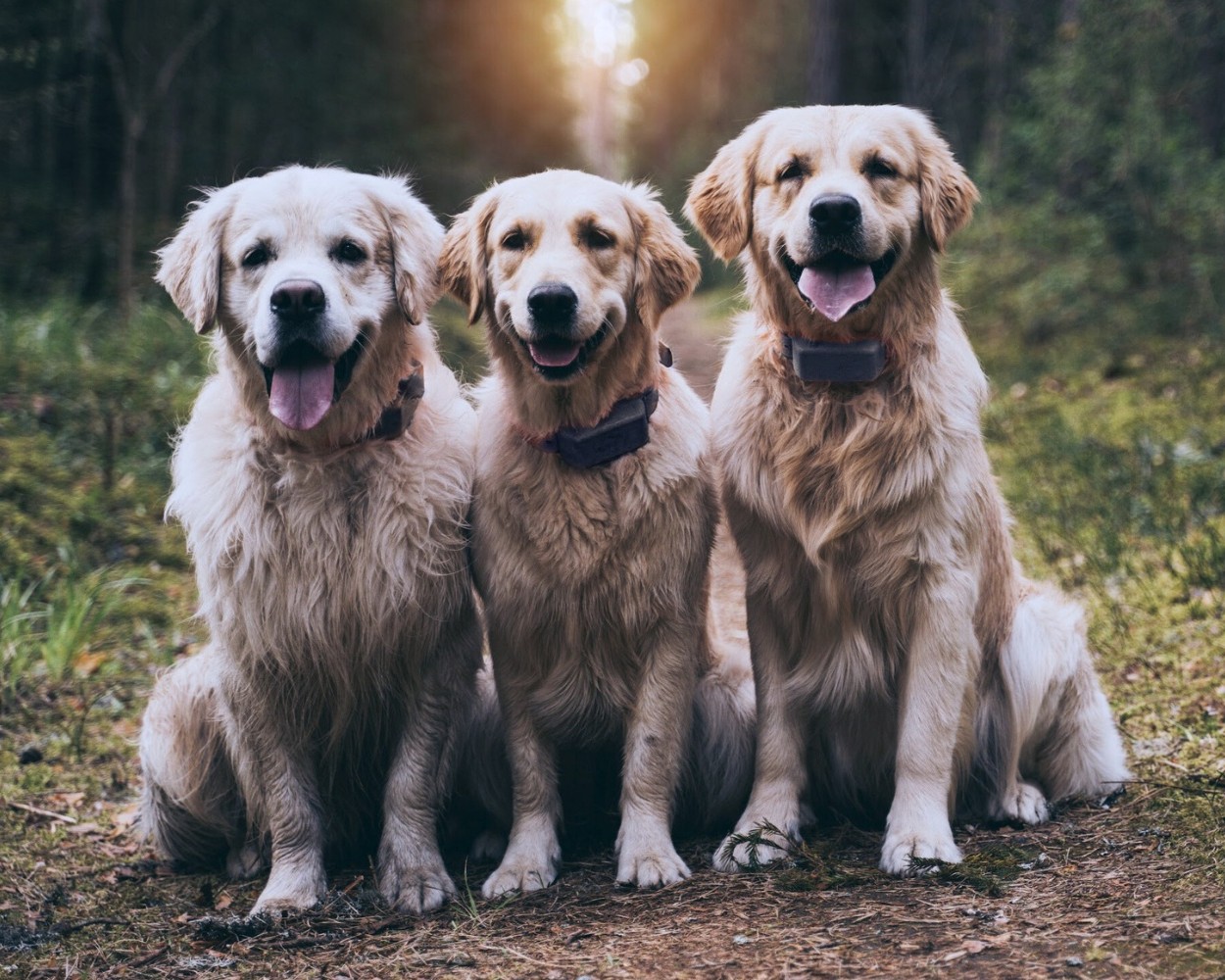
Going to the forest with your dog: 10 things to bring
14.08.2026Spending time in the forest with your dog is a great way to get fresh air, exercise, and enjoy nature together. For many dogs, a walk in the forest is much more exciting than an ordinary walk around the neighborhood. New smells, different terrain, wildlife, and plenty of space make the experience both physically and mentally stimulating.
However, a forest walk can also bring unexpected situations. Your dog may wander farther than usual, get thirsty, step on something sharp, or become difficult to find in dense vegetation. A little preparation can make the trip safer and more enjoyable for both of you.
Here are 10 things worth taking with you when heading into the forest with your dog.
1. Collar or harness with identification
Even if your dog usually stays close to you, they should always wear a secure collar or harness when going into the forest. Unexpected noises, wildlife, or an interesting scent can cause even a well-trained dog to run farther than expected.
Make sure your dog has an identification tag with your current phone number. If someone finds your dog, this is often the quickest way for them to contact you.
💡Tip: Before leaving home, check that the collar or harness fits properly and cannot easily slip off.
2. Leash or long line
A leash is one of the most important things to bring, even if you plan to let your dog move freely in areas where this is allowed.
You may need to put your dog on a leash when meeting other people, dogs, cyclists, wildlife, or when passing through areas where keeping dogs under control is especially important.
A long line can be a good option if you want to give your dog more freedom while still maintaining control. It allows your dog to explore and sniff without being completely off-leash.
3. Dog tracking device
In the forest, a dog can disappear from sight surprisingly quickly. Dense trees, bushes, uneven terrain, and exciting animal scents can encourage a dog to move much farther away than expected.
A GPS tracking device can help you see where your dog is and make it easier to find them if they wander away. This can be especially useful for dogs with a strong hunting instinct or for owners who regularly spend time with their dogs in large natural areas.
💡Tip: Before heading into the forest, make sure the tracking device is charged, switched on, and connected to your phone.
4. Fresh water and a drinking bowl
Dogs need water during longer walks just like people do. Even when the weather does not feel particularly hot, physical activity can make your dog thirsty.
Do not rely on your dog finding a stream, puddle, or lake along the way. Natural water sources may contain bacteria, parasites, algae, or other substances that are not safe to drink.
Bring enough fresh water for both yourself and your dog. A collapsible or lightweight travel bowl takes up very little space and makes drinking much easier.
5. Treats or a small amount of food
Treats are useful for much more than simply giving your dog a snack. They can help you reward good behavior, practice recall, and get your dog’s attention when there are distractions nearby.
The forest is full of exciting smells and sounds, so your usual commands may suddenly become much less interesting to your dog. A high-value treat can make it easier to encourage them to return to you.
For longer hikes, it can also be useful to bring a small amount of your dog’s normal food.
6. Dog waste bags
Being in the middle of nature does not mean dog waste should always be left behind. This is especially important near walking trails, picnic areas, parking areas, campsites, and other places frequently used by people.
Always carry a few waste bags with you. They weigh almost nothing and are easy to keep in a pocket or backpack.
💡Tip: Take more bags than you think you will need. They can also be useful for storing wet or dirty items during the walk.
7. Basic first-aid supplies
Small injuries can happen quickly in the forest. Your dog may cut a paw on a sharp branch, get a thorn between their toes, scratch themselves on vegetation, or suffer another minor injury.
You do not need to carry a large first-aid kit on every walk, but a few basic items can be very useful. For example, you could bring sterile gauze, bandages, disinfectant suitable for animals, and tweezers.
For longer trips, it is also useful to know where the nearest veterinary clinic is located before you leave.
8. Tick remover
Ticks are common in forests, grassy areas, and places with dense vegetation. Depending on where you live and the time of year, your dog may pick up several ticks during a single walk.
Using suitable tick prevention is important, but it is still a good idea to carry a tick remover with you. If you notice a tick while taking a break, you can remove it immediately instead of waiting until you get home.
After every forest walk, carefully check your dog’s entire body. Pay particular attention to the ears, neck, armpits, groin, paws, and areas around the face.
9. Towel or cleaning cloth
Dogs rarely come out of the forest as clean as they went in. Mud, wet grass, puddles, and streams can quickly turn your dog into a very muddy passenger.
Keeping a towel in your backpack or car makes it easier to dry your dog and clean their paws before heading home.
A towel can also be useful if your dog gets wet and the weather is cool, particularly for smaller dogs or dogs with short coats.
10. A charged phone and backup power
Your phone can be an important safety tool when spending time in the forest. You may need it for navigation, checking your dog’s location through a tracking app, contacting someone in an emergency, or finding your way back to the car.
Before leaving, make sure your phone has enough battery for the entire trip. If you are planning a longer hike, carrying a small power bank can be a good idea.
💡Tip: Do not depend completely on mobile coverage. In remote areas, the signal may be weak or unavailable, so it is useful to familiarize yourself with the route before starting your walk.
Enjoy the forest safely together
A trip to the forest does not require a huge amount of equipment, but a few carefully chosen items can make a big difference. Water, a leash, identification, basic first aid, and a reliable way to locate your dog can help you deal with many common situations.
The more time you spend outdoors together, the better you will also learn what your own dog needs. Some dogs stay close to their owner at all times, while others can become completely absorbed in following an interesting scent.
With good preparation, you can give your dog the freedom to explore while keeping your forest adventures safer, more comfortable, and more enjoyable for both of you.